
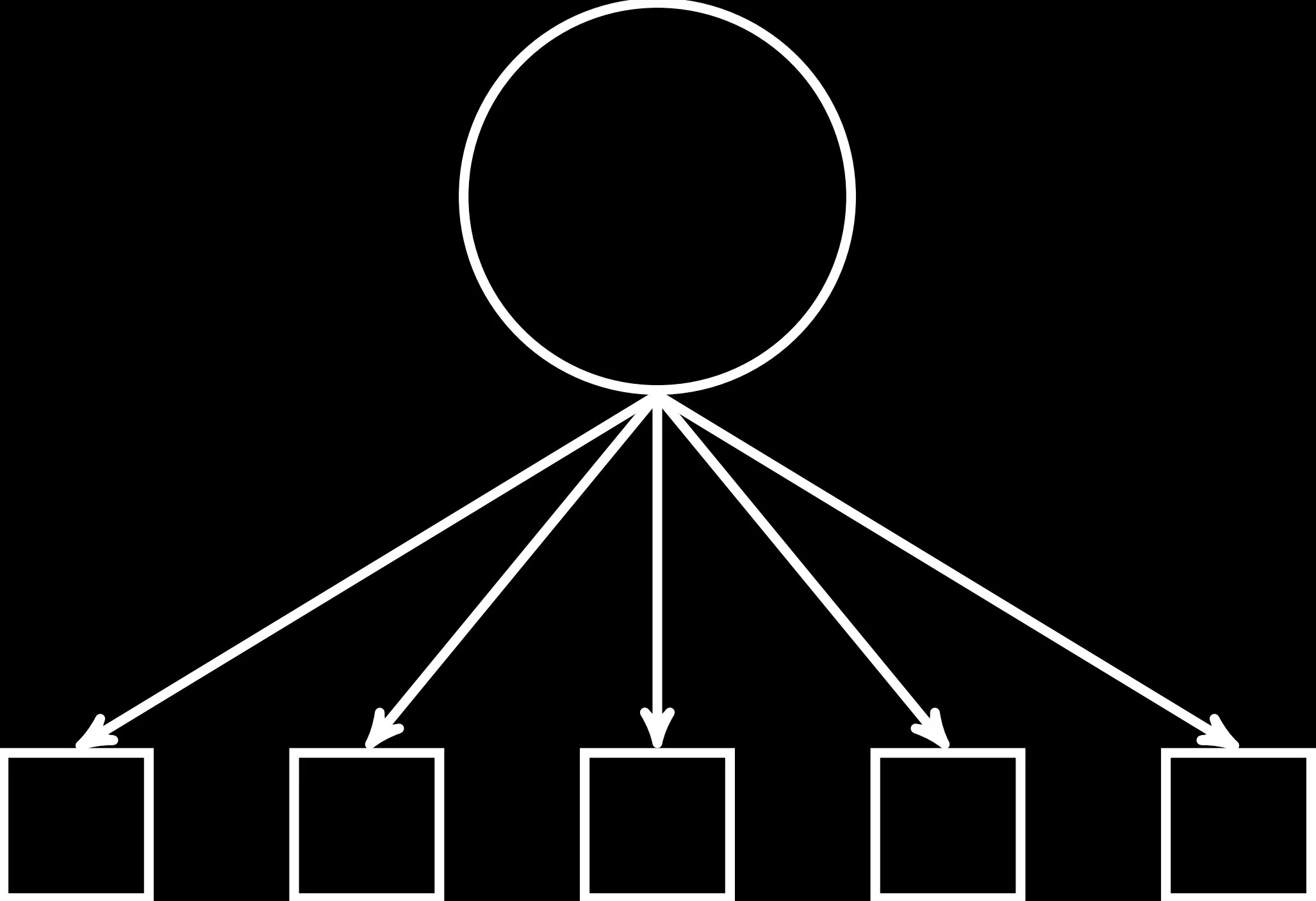
My research is centered around measurement issues in the social sciences, with an emphasis on factor analysis and item response theory.
Replication x Psychometrics
My program of research has been focused on exploring psychometric issues from a meta-science perspective. Specifically, I have been interested in the replicability of psychometric analyses (i.e., psychometric replication). Recent work in this area includes the development of a taxonomy for assessing research and reporting practices (Manapat et al., 2024) as well as a simulation study that examines the replicability of exploratory factor analyses (Manapat et al., 2025). I am currently working on extending the simulation work to confirmatory factor analysis and the structural model.
Non-Normality
Distributional assumptions for latent constructs can affect the validity of psychometric work. In practice, latent constructs are often assumed to follow a normal distribution. However, there are situations where this assumption is unreasonable (e.g., constructs of a clinical nature - tend to be low for most people, medium for some, and high for few). Recent work includes an examination of the types and degrees of non-normality most detrimental to parameter recovery for the 2-parameter logistic and graded response models (Manapat & Edwards, 2022).
Scale Development
My scale development work spans a diverse range of domains, from self-regulation (Manapat et al., 2021) to canine temperament (Gilchrist et al., 2025). As a psychometrician, I often focus on assessing dimensionality using exploratory and confirmatory factor analysis, along with item-level analyses using item response theory. More recently, I contributed to a psychometric evaluation of the Duke Misophonia Questionnaire (Bain et al., 2025). With my established network of both methodological and applied collaborators, I am able to leverage psychometric advancements to address real-world measurement challenges.
Labs at OU
Manapat Psychometric Lab

Keelyn Brennan, MS
Keelyn is a fourth-year doctoral student in the quantitative psychology PhD program. Her research focuses on handling missing data in interpretable machine learning models, specifically decision trees. Outside of academia, Keelyn enjoys reading, needlepoint, and spending time with her community, both inside and outside of the department.
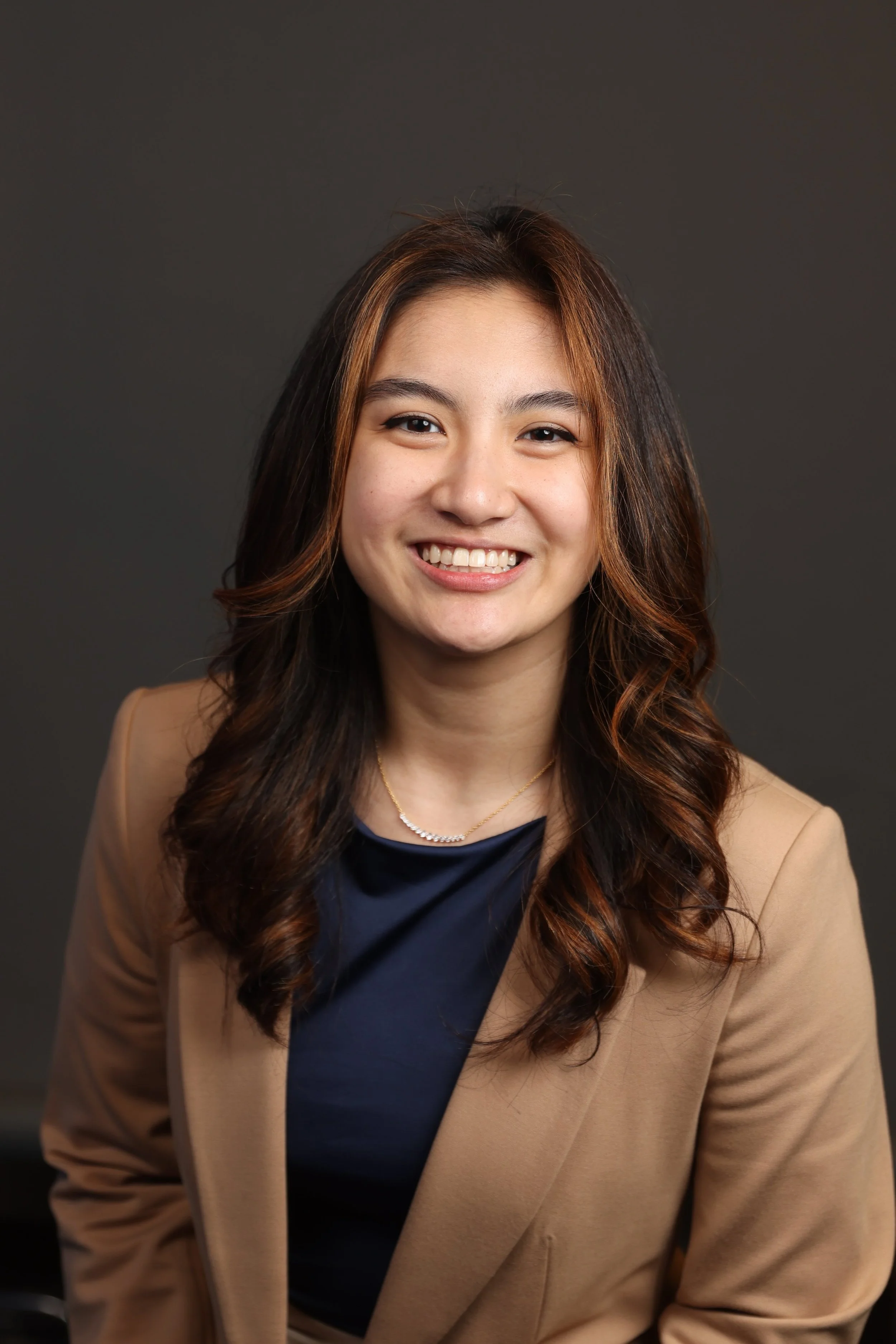
Irene Navaleza
Irene is a second-year doctoral student in the quantitative psychology PhD program. Her research is beginning to explore measurement issues related to meta-analysis. Outside of academia, Irene enjoys baking, watching baseball, and learning astrophotography.
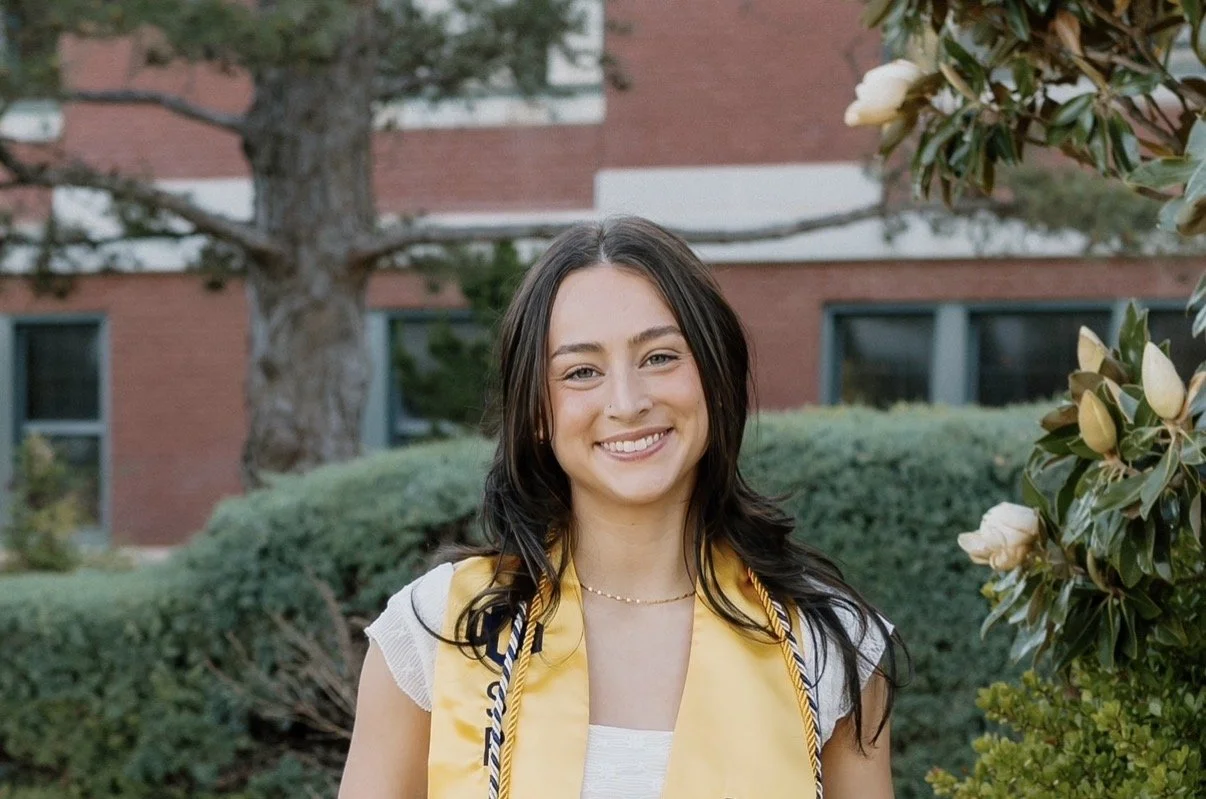
Kadence Evans
Kadence is a first-year doctoral student in the quantitative psychology PhD program. Kadence is interested in quantitative psychology because of the field’s focus on methods for analyzing complex psychological questions, and she seeks to contribute to the development of meaningful psychological measures. Outside of academia, Kadence enjoys reading, cooking, and going on walks.
Quantitative Research Methods Lab
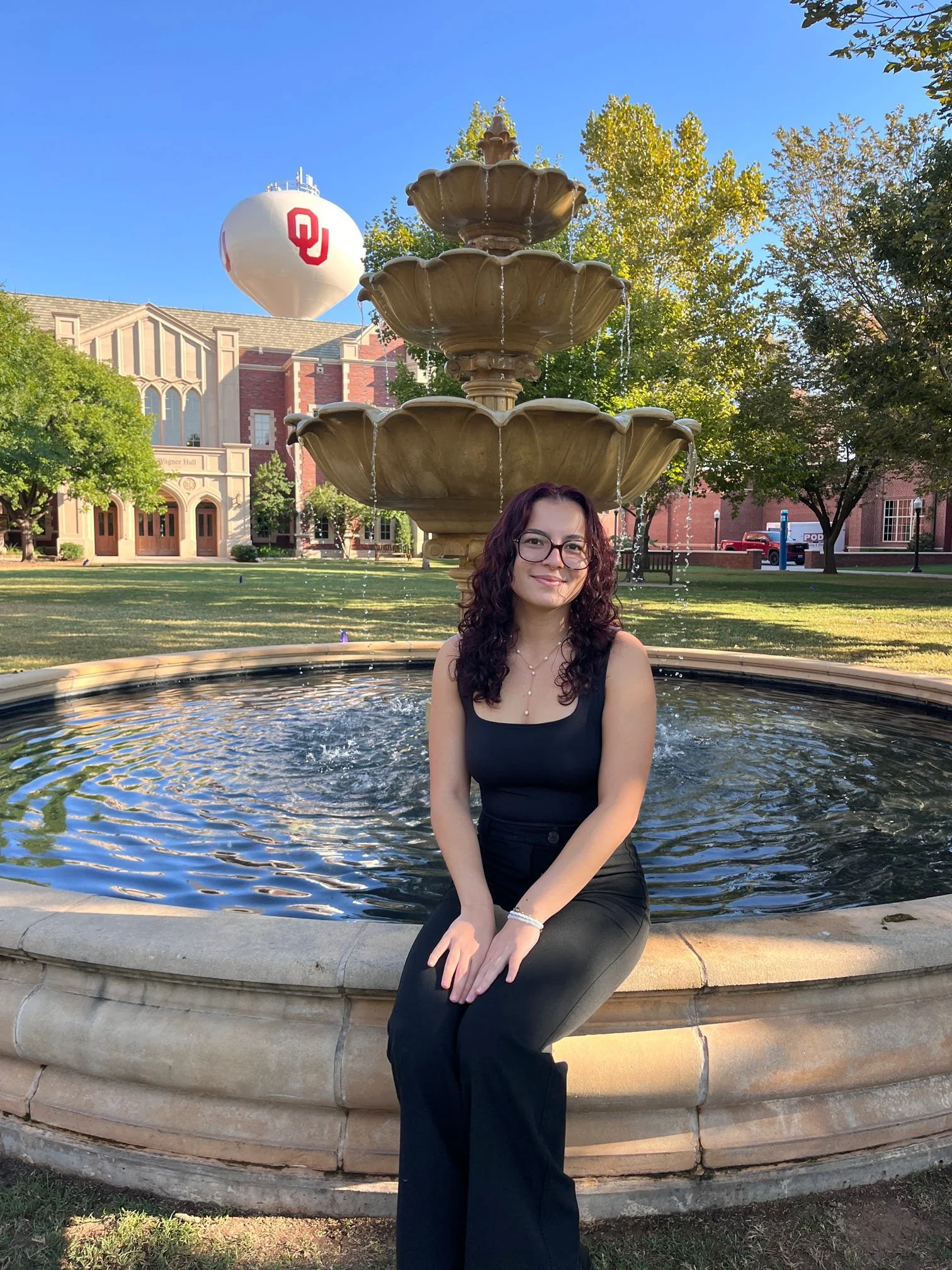
Anaé Fong-Yan
Anaé is a junior at OU majoring in Psychology with a minor in Organizational Leadership and a certificate in Applied Statistics. Outside of the lab, Anaé enjoys going on coffee dates with friends and playing video games.
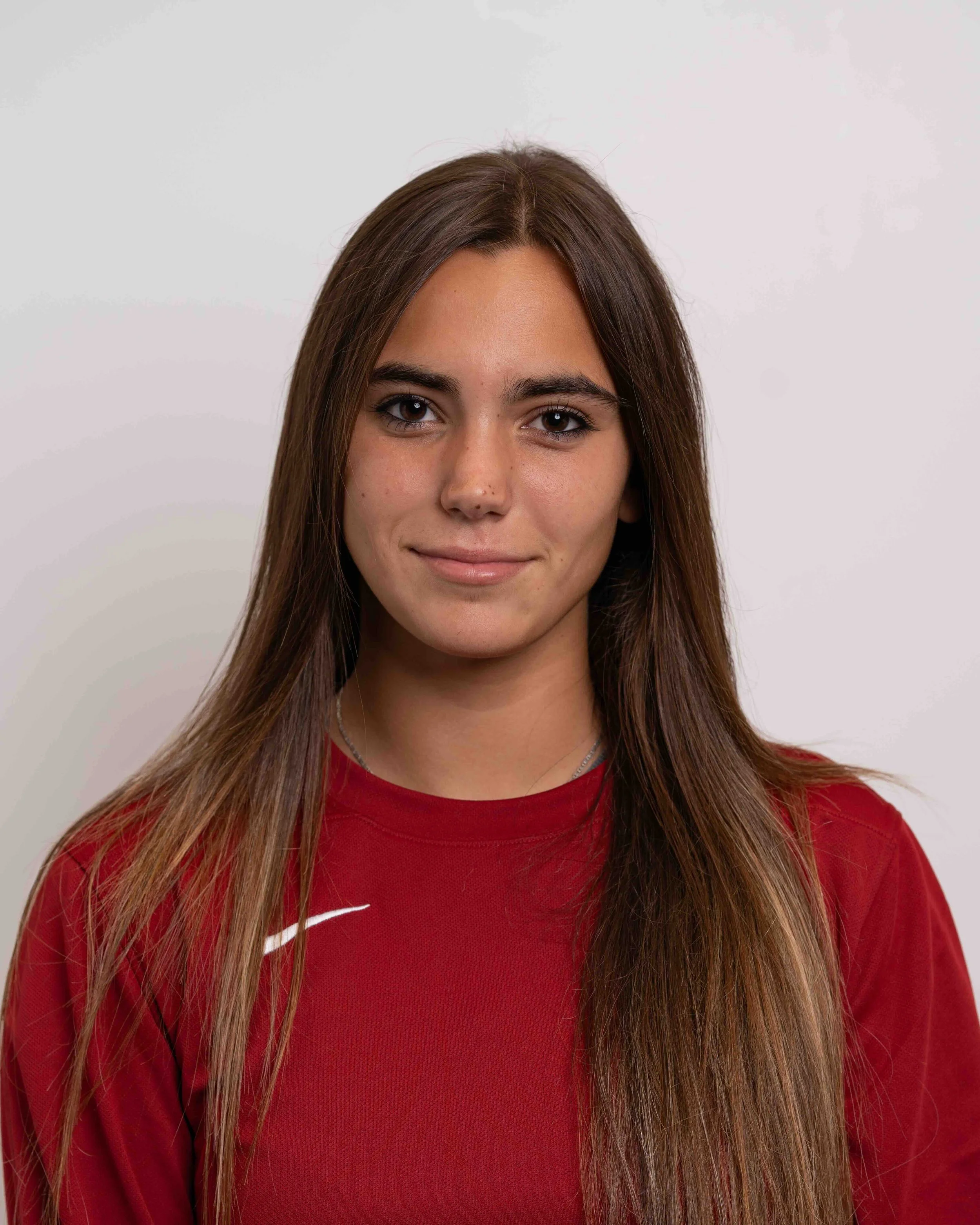
Andrea Poleksić
Andrea is a junior at OU majoring in Psychology. Outside of the lab, Andrea enjoys music, art, and spending time with family and friends.

Owen Edwards
Owen is a junior at OU majoring in Psychology with a minor in Computer Science. Outside of the lab, Owen enjoys playing video games and intramural sports.
Co-led by Drs. Patrick and Danielle Manapat, the Quantitative Research Methods (QRM) Lab at the University of Oklahoma provides structured training and mentorship for undergraduate students in quantitative research methods. Students strengthen foundations in statistical theory, develop programming skills in R and Python, and gain experience with basic and advanced statistical modeling, including machine learning. Ultimately, the goal of the QRM Lab is to prepare students for PhD programs in quantitative psychology and related fields.